King Jeongjo's Royal Parade
Oct 4, 2026 · Seoul
Overview
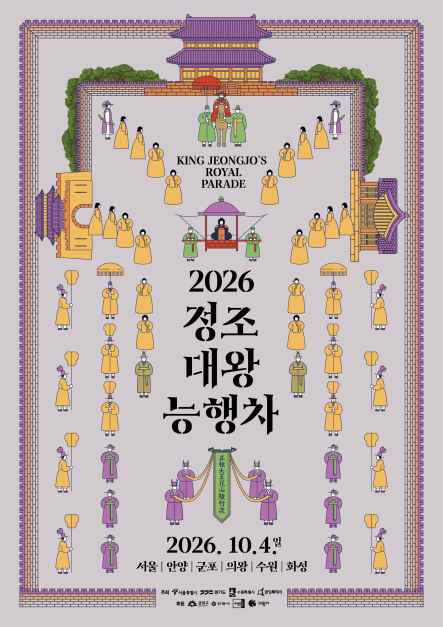
King Jeongjo's Royal Parade to Hwaseong Fortress recreates one of the most remarkable events of the Joseon dynasty. In 1795, King Jeongjo traveled from Seoul to Suwon to celebrate the 60th birthday of his mother, Queen Heonui, sharing the eight-day journey with the people along the route. Based on records from the "Wonhaeng Eulmyo Jeongni Uigwe," the festival faithfully reenacts the royal procession with traditional costumes, performances, and ceremonial displays. Held through the cooperation of Seoul, Gyeonggi-do, Suwon, and Hwaseong, the event offers visitors a chance to experience the grandeur and spirit of a historic royal celebration.
Why go
This one-day event reenacts King Jeongjo's 1795 royal procession from Seoul to Hwaseong Fortress in Suwon, staged to celebrate his mother's 60th birthday and based on the historical record Wonhaeng Eulmyo Jeongni Uigwe. Expect traditional costumes, a ceremonial departure, and parade performances spanning Seoul, Suwon, and Hwaseong, jointly run by the Seoul, Gyeonggi, Suwon, and Hwaseong authorities. Admission is free, though some individual programs may carry separate fees.
Getting there from Seoul
The Seoul portion starts at Gyeongbokgung Palace, reachable by subway (Gyeongbokgung Station or Gwanghwamun Station) in central Seoul. To follow the parade onward to the Suwon and Hwaseong sections, take the subway/Korail line or a train from Seoul toward Suwon Station, roughly 40-60 minutes depending on the service, then continue locally to Hwaseong Fortress.
Tips
- The day runs 09:00-21:00, so plan which city's program (Seoul, Suwon, or Hwaseong) you want to catch, as the parade moves between locations.
- General admission is free, but confirm in advance if any specific program you want requires a separate ticket.
- Arrive early to Gyeongbokgung for the Ceremony of Departure and Citizen Parade, as procession routes tend to draw crowds for viewing spots.
Best for: history buffs, photographers, families, culture enthusiasts.
Program
Seoul: Ceremony of Departure, Citizen Parade, etc.
Suwon: Welcoming King Jeongjo, Suwon Hwaseong Parade, etc.
Hwaseong: Modern Section Parade, Traditional Section Parade, etc.
Photos
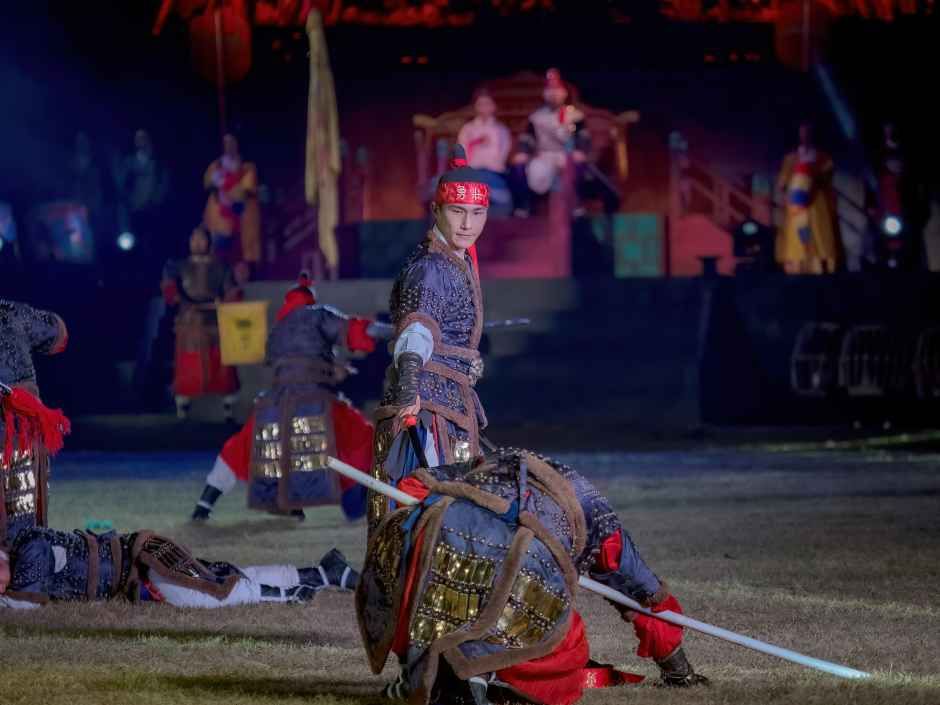
Photo: Korea Tourism Organization 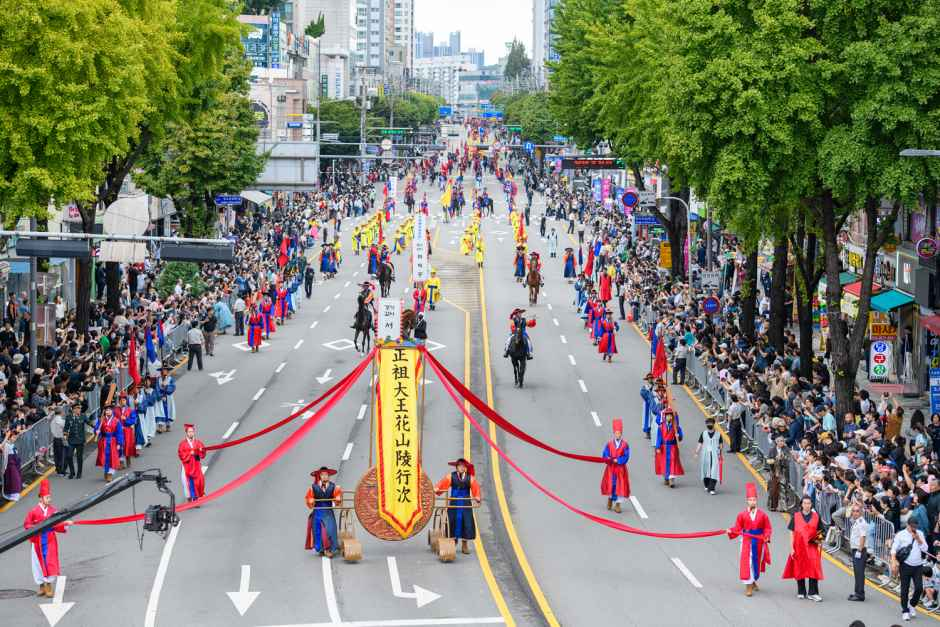
Photo: Korea Tourism Organization 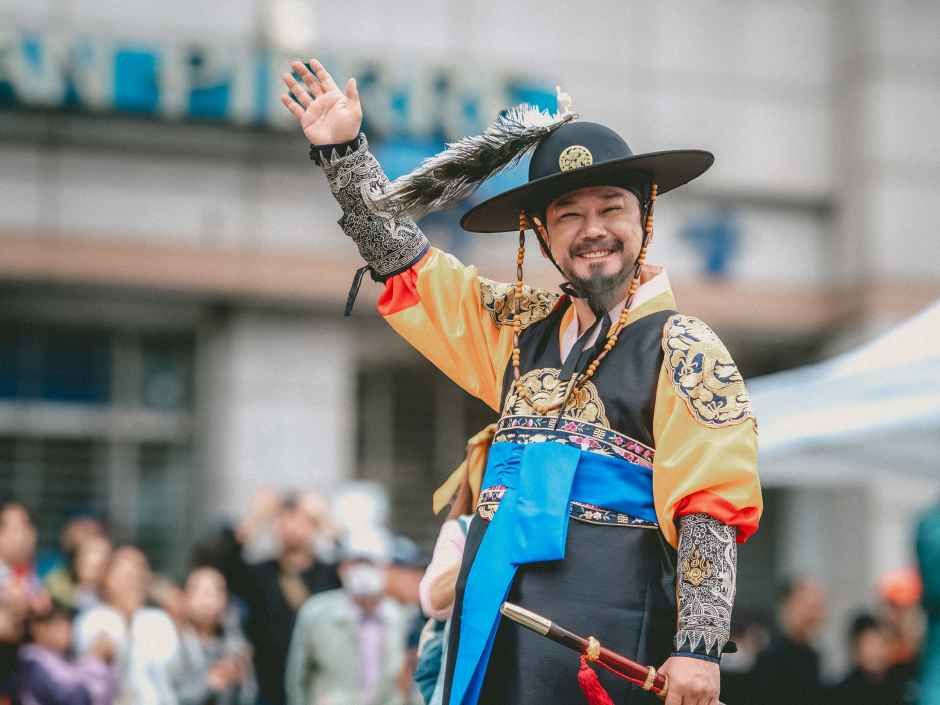
Photo: Korea Tourism Organization
Other festivals in Seoul
Seoul
Gugak Performance Jinyeon
Jan 1 – Dec 31, 2026
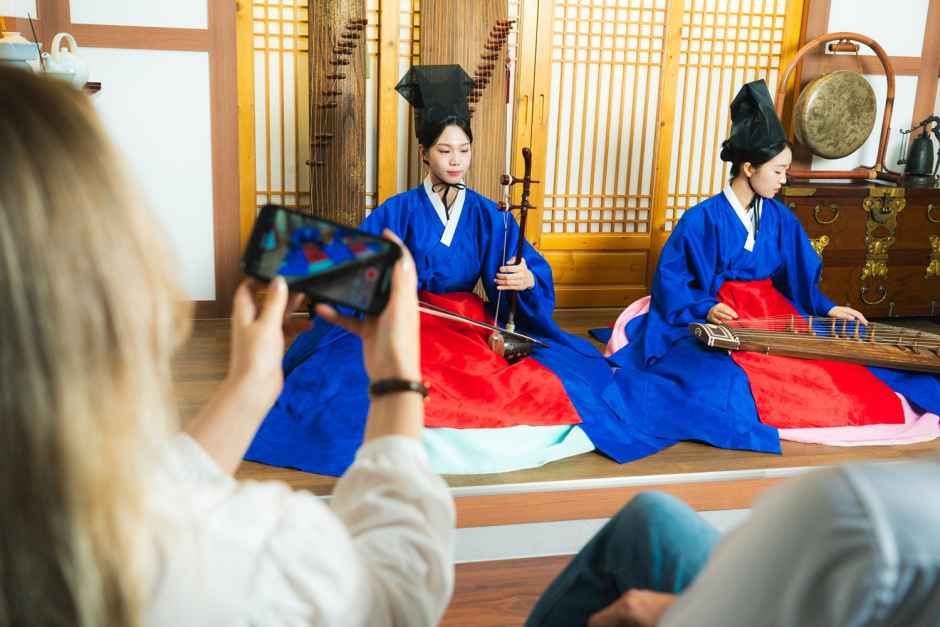
The gugak performance “Jinyeon, The Music of the Royal Banquet” offers a unique opportunity to experience the diversity of traditional Korean arts on a single stage. Set in an intimate venue designed in the style of a traditional Korean house, it allows for close interaction between the audience and performers. The program features a wide range of music performed on traditional instruments, spanning Korean music, K-pop, classical pieces, and world folk songs. As an all-in-one performance, it brings together elements of Korean culture, sound, instruments, and live performance into a single immersive experience.
Seoul
Seoul Hanok Week
Oct 2 – Oct 11, 2026
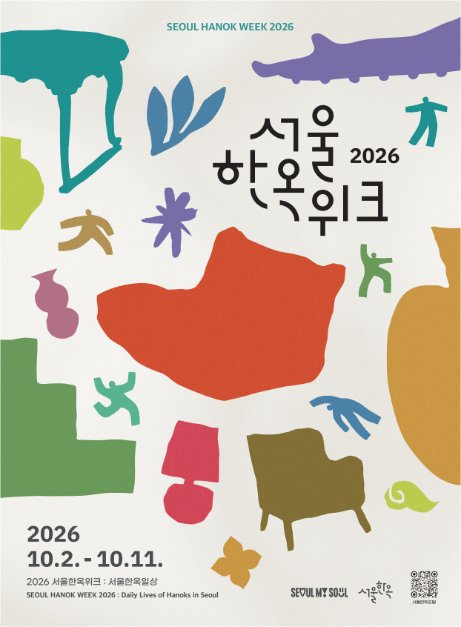
Seoul Hanok Week is a cultural event held in the Bukchon and Seochon areas, featuring exhibitions, talks, tours, hands-on activities, performances, and other programs that showcase the spaces and appeal of traditional Korean hanok. The event offers various opportunities to experience hanok as part of everyday life through a range of cultural programs.
Reach travelers heading to Seoul: sponsor this page.
Dates and programs can change. Check the official site before you go.