Hangang River History Tour
Apr 20 – Nov 15, 2026 · Happening now · Seoul
Overview
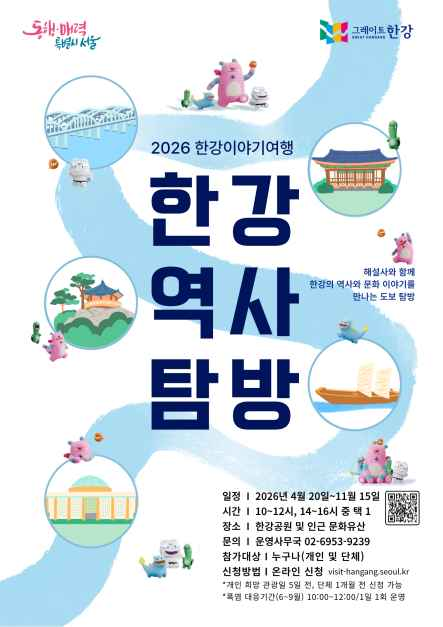
The 'Hangang River History Tour' program offers engaging guided tours and educational content that showcase and share the scenery, history, and cultural resources of the Hangang River, allowing citizens and tourists to experience and appreciate the riverside. It also aims to develop diverse content — including hands-on activities — that lets citizens actively participate and experience firsthand, revitalizing the everyday enjoyment of the Hangang River's history and culture. Participants walk a set course along the Hangang River basin and nearby cultural heritage sites while listening to commentary from a Hangang River guide. The Hangang River History Tour operates a total of 16 courses, and participants can explore the history of the Hangang River related to each course as they walk it.
Photos
Photo: Korea Tourism Organization 
Photo: Korea Tourism Organization 
Photo: Korea Tourism Organization
Other festivals in Seoul
Seoul
Cheongchun Mike Festival
Oct 3, 2026
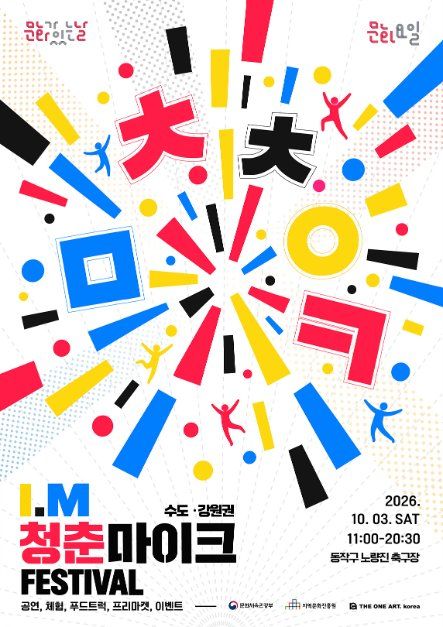
The hottest day of the year, where the energy of youth comes together in one place! The 'Cheongchun Mike Festival' will be held this fall. From a variety of performances filling the stage to hands-on experience programs, food trucks, a flea market, and special events you can only find on-site — I.M Cheongchun Mike, which has visited audiences close to their everyday lives across the Seoul metropolitan area and Gangwon Province, now returns as the Cheongchun Mike Festival, bigger and richer than ever.
Seoul
Seoul Petlympics
Oct 24 – Oct 25, 2026
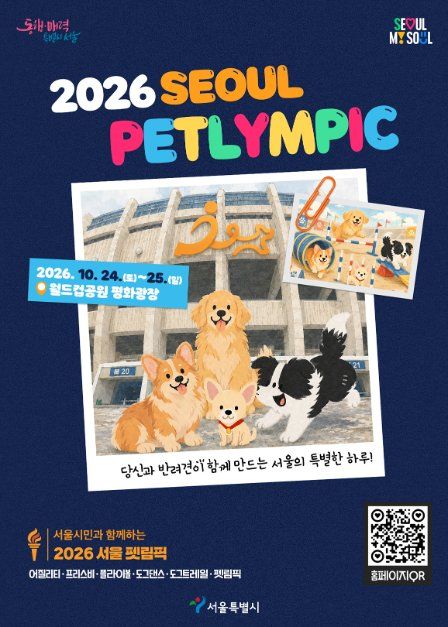
The Seoul Petlympics is an urban dog sports festival where citizens and their dogs can run, walk, and take on challenges together to create special memories. Held at Peace Plaza in Seoul World Cup Park, the event features a variety of participatory programs designed so that not only professional athletes but also citizens and their dogs who are new to dog sports can enjoy the experience together. In addition to the Petlympics—featuring challenges open to everyone, such as “Wait,” “Come,” “S-Curve Obstacle,” and the “15-Meter Dash”—the event will also include the “Dog Trail,” where participants walk approximately 4 km with their dogs. Additionally, visitors can witness dynamic dog sports competitions and demonstrations—including agility, Frisbee, dog dancing, and flyball—all in one place. The event venue will also feature ongoing programs open to the public, various hands-on activities, and rest areas. This new urban pet culture festival offers a chance to bond with your dog through sports, experience a healthy pet-ownership culture, and enjoy the event together with your furry friends.
Seoul
2026 Sungnyemun Watch Duty Ceremony
Jan 1 – Dec 31, 2026
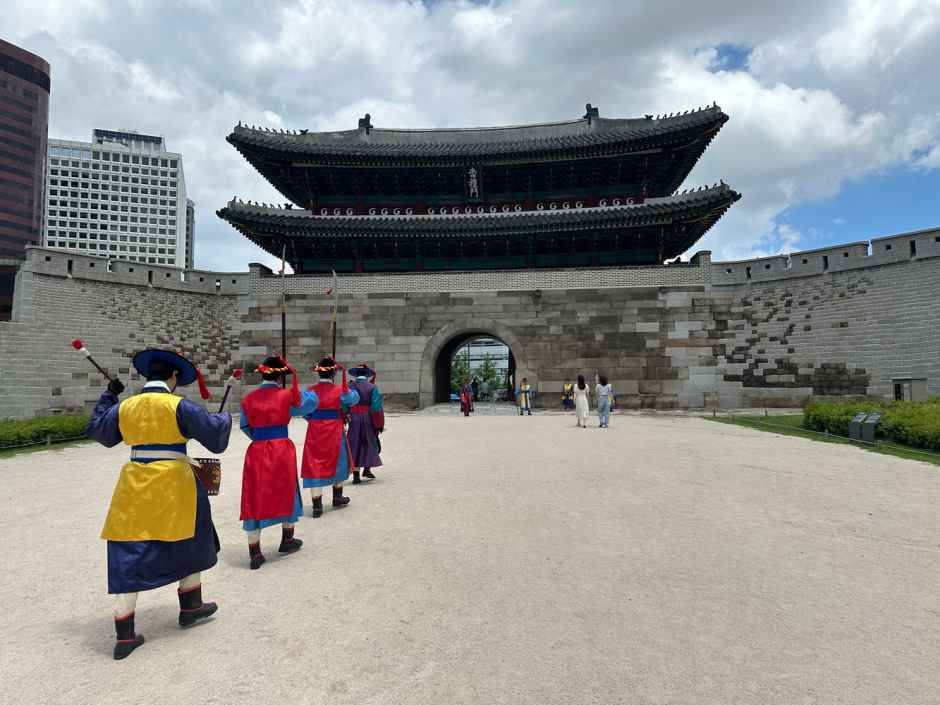
The 'Sungnyemun Watch Duty Ceremony,' which guards Sungnyemun, is closed every Monday and runs daily except Mondays from 10:00 to 15:40. Pasu (watch duty) refers to the defense of the capital city, and was one of the important military ceremonies of the Joseon dynasty. Defense of the capital was the most critical issue of the Joseon dynasty, and it became an especially serious problem during the reign of King Seonjo, amid crises such as the Imjin War (Japanese invasions of Korea) and the Byeongja War (Manchu invasion). The watch duty ceremony was a Joseon-era military ceremony that linked the opening and closing of the capital gates—performed at injeong (the evening curfew bell) and paru (the dawn bell)—with the patrol ceremony. Considering its position and role within the central military system, it was a ceremony no less important than guarding the palace walls. The procedure of the 'Sungnyemun Watch Duty Ceremony' is as follows: the watch guards line up in formation in front of Sungnyemun, their post, and the geumnugwan (timekeeping official) appears to announce paru, after which signals are sounded on the nagak (conch horn) and nabal (long horn). At the command of the hogun (guard commander), the watch guards carry out the gate-opening ceremony of Sungnyemun. The watch duty ceremony guarding Sungnyemun then begins, with the 1st watch guard unit and 2nd watch guard unit performing a shift change before continuing the watch duty ceremony. This is followed by 6 rounds of shift-change and watch duty ceremonies, after which, at the command of the hogun, the watch guards carry out the gate-closing ceremony of Sungnyemun.
Reach travelers heading to Seoul: sponsor this page.
Dates and programs can change. Check the official site before you go. Official site