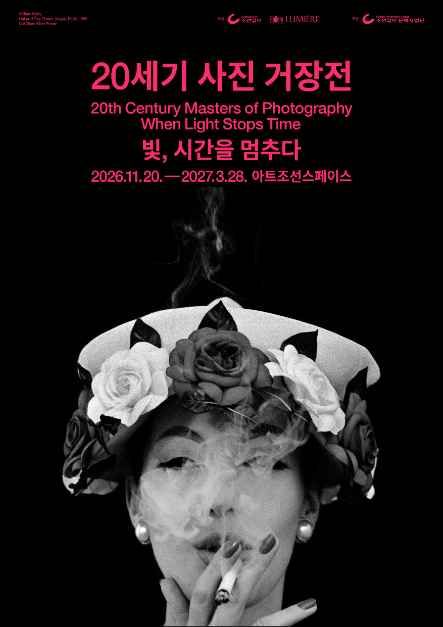
20th Century Photography Masters Exhibition - Light, Stopping Time
Nov 20, 2026 – Mar 28, 2027 · Seoul
Overview
We live in an age when hundreds of millions of images are born on LCD screens every day, only to vanish just as easily with a single flick of a finger. Amid the flood of digital technology and artificial intelligence, anyone can now capture and reproduce a moment with ease. Within this weightless maze of pixels, the heavy resonance and afterimage that analog photography conveys are gradually fading. As easy production and consumption repeat endlessly, we are losing the 'authenticity of gazing' — looking deeply and lingeringly at a subject.
From the moment of its birth, photography was a physical exploration mediated by light, and an art of time that captured and preserved a single cross-section of flowing time. The masterpieces born from the hands of 20th-century masters were not simple mechanical reproductions of a phenomenon through a cold machine. They were the artist's own unique philosophy — a direct gaze upon the world and its interpretation.
As a concept contrasted with digital images, photographic works printed through analog methods are called 'physical prints.' These are photographs completed as silver salt (a light-sensitive compound formed by silver and halogen elements) particles and the grain of platinum seep into the printing paper under the red light of the darkroom. In these crystallizations of 'silver alchemy,' one can still feel the air, the temperature, and even the tremor of the wind from the moment the masters held their breath and pressed the shutter. It is the weighty texture of analog printing that a digital screen can never capture. This is the 'weight of physical time' endured on location, and the sublime trace left behind by aesthetic labor.
The special exhibition 《20th Century Photography Masters Exhibition - Light, Stopping Time》 was curated by carefully selecting unparalleled pieces from the collection of Gallery Lumiere. It brings together around 80 masterpieces from 17 world-renowned photography masters — including Henri Cartier-Bresson (1908-2004), Tina Modotti (1896-1942), and William Klein (1926-2022) — who established and brought to full bloom the foundations of modern photography.
Rather than simply looking back on masterpieces of a bygone century, this exhibition is a contemplative journey following the gaze of masters who loved and looked upon the world more passionately than anyone else. It offers a multifaceted view of an era etched in light — from the pioneers of modern photography who elevated the medium to the rank of pure art, to masters who emphasized pure humanism, to documentary masters who bore witness to the dynamism of the city and the deep inner self of human existence.
Today, modern people are surrounded by digital media that is consumed at rapid speed, yet paradoxically they long for the warmth of analog. This exhibition seeks to provide a resting stop within calm black-and-white light and shadow, a place to step away from the lightness of fleeting digital frames.
We encourage visitors to pause for a long while in front of each photograph. Like reading a carefully handwritten letter, if you listen closely to the master's breath flowing between the fine black-and-white grains, you will feel a deep resonance that will not fade away for a long time.
Photos
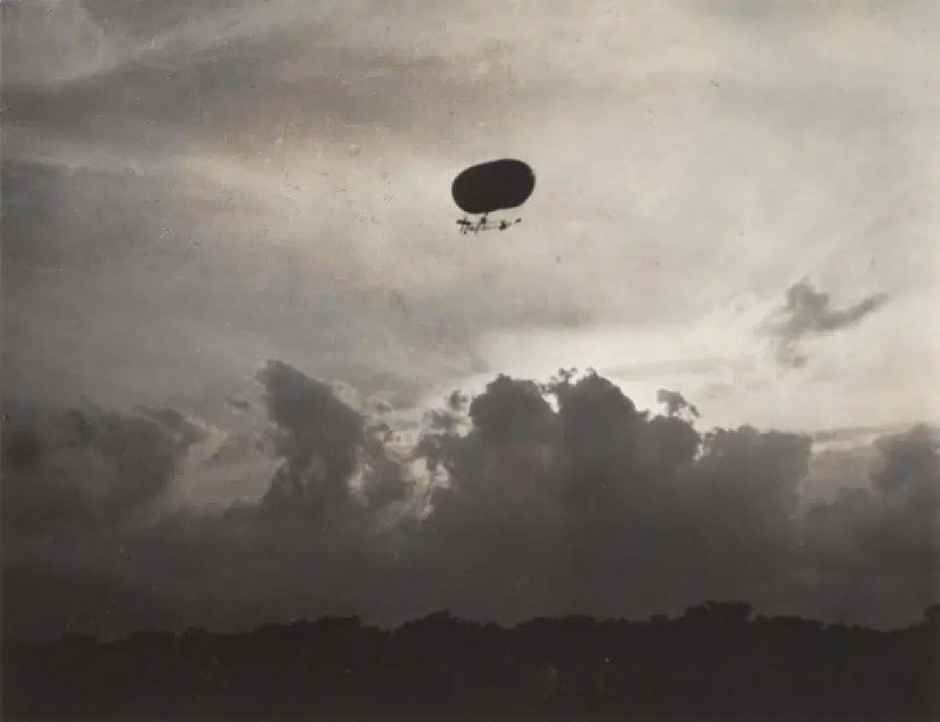
Photo: Korea Tourism Organization 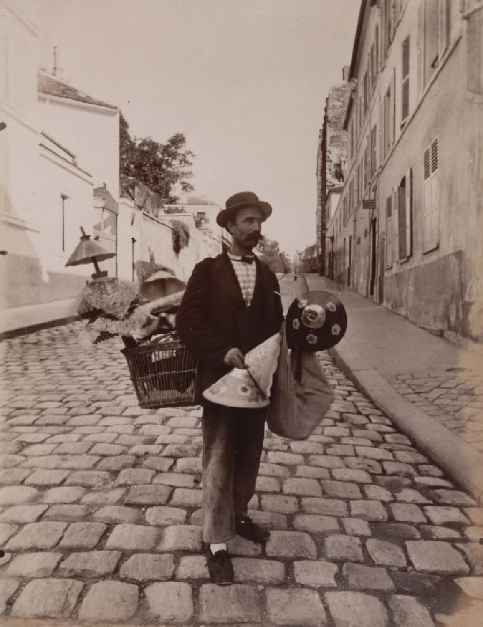
Photo: Korea Tourism Organization 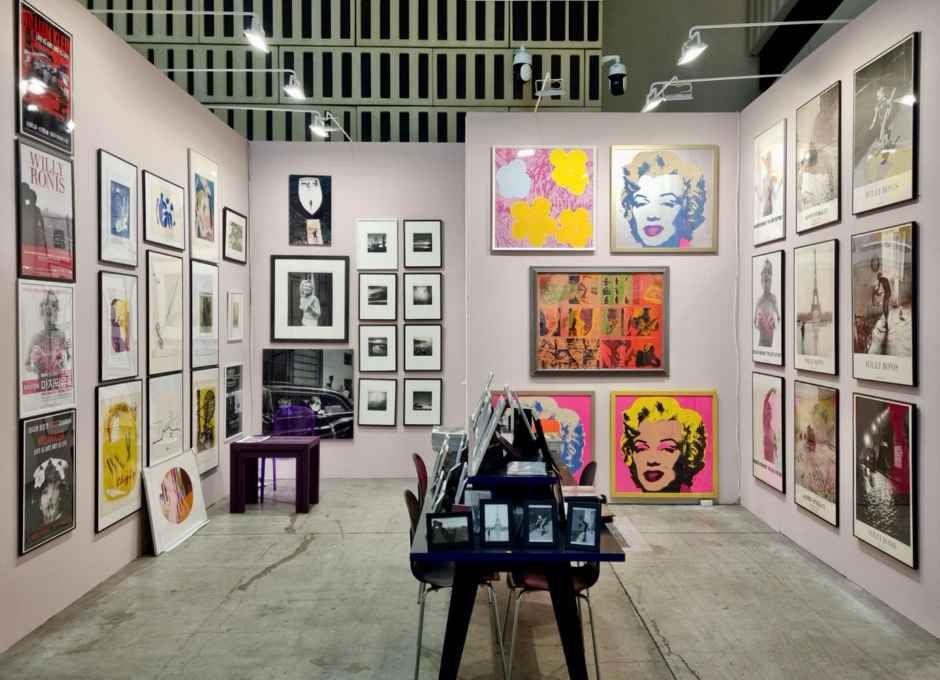
Photo: Korea Tourism Organization 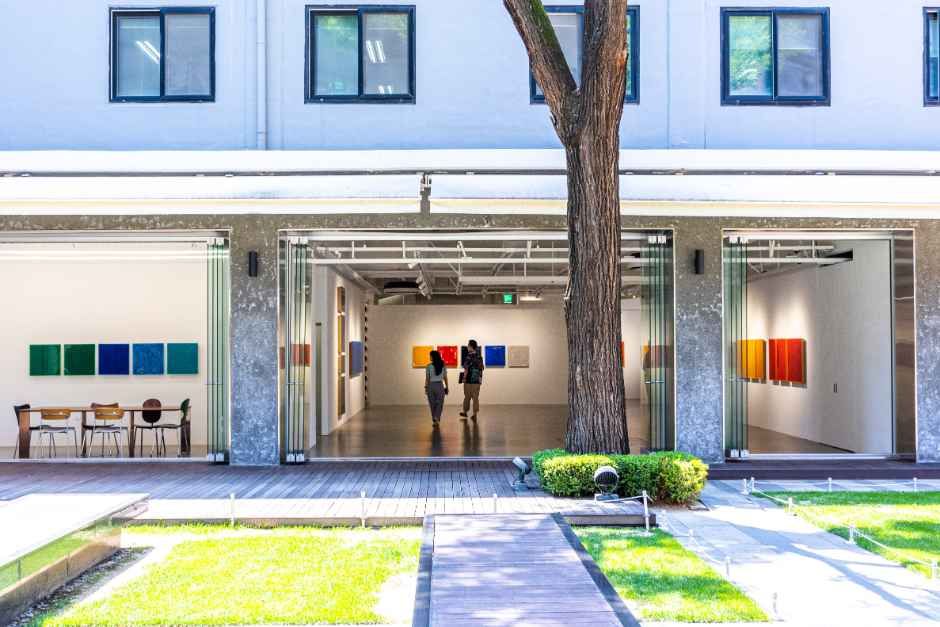
Photo: Korea Tourism Organization 
Photo: Korea Tourism Organization
Other festivals in Seoul
Seoul
Jeongdong Culture Festival
Oct 16 – Oct 17, 2026
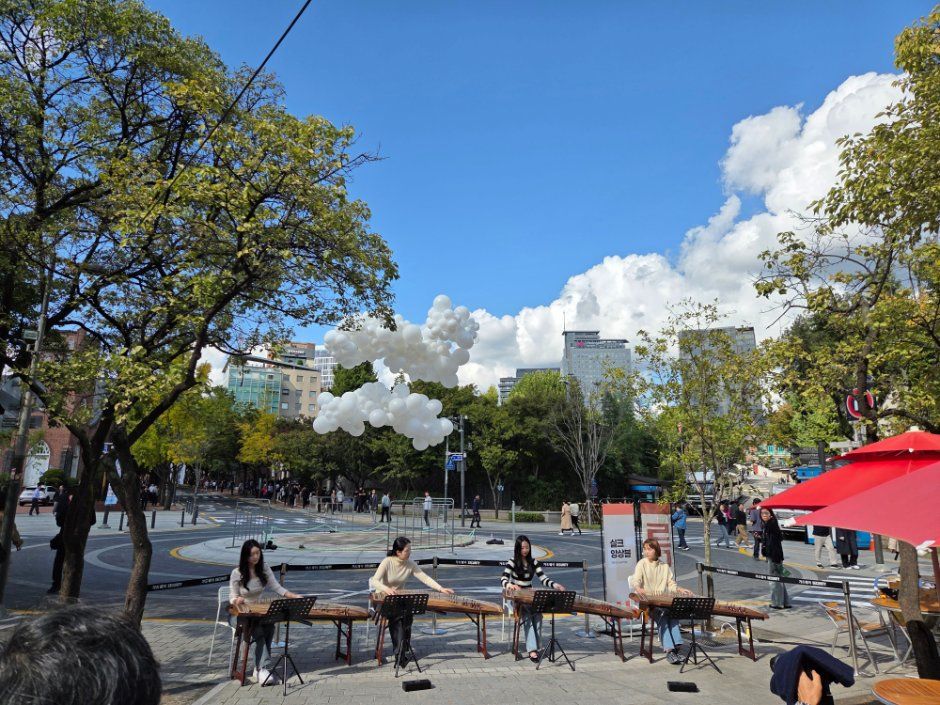
The 28th Jeongdong Culture Festival, hosted by The Kyunghyang Shinmun, will be held October 16–17 in and around Jeongdong-gil in Jung-gu, Seoul. Jeongdong-gil, which runs from The Kyunghyang Shinmun through the Seoul Museum of Art to Daehanmun Gate of Deoksugung Palace, was the center of diplomacy, culture, and education during the Korean Empire era, and has long been a space where history and new culture coexist. This year's festival presents a contemporary reinterpretation of Jeongdong's history and tradition under the new concept 'Neo-Jeongdong: Pan.' Over the two days, Jeongdong-gil will host a street parade reinterpreting traditional performing arts, along with performances by contemporary artists working in gugak (traditional Korean music). Space design using rice straw and F&B programs will also be arranged, turning all of Jeongdong-gil into one new 'pan.'
Seoul
Seoul Architecture Festival
Sep 15 – Oct 11, 2026
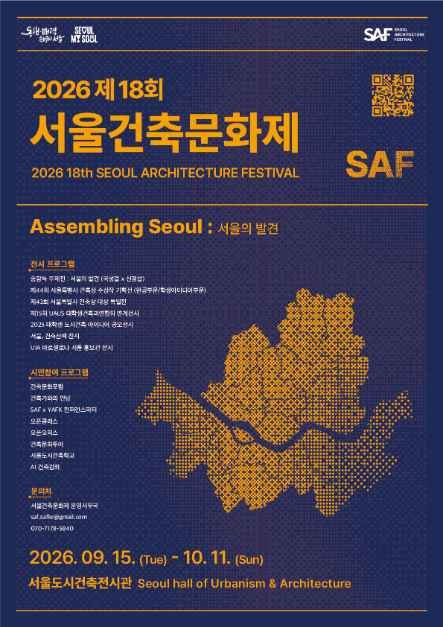
The Architecture Festival aims to rediscover the unique architectural and urban charms of Seoul together with its citizens. Seoul generates creative potential based on “complex density”—a fusion of history, culture, and regional identity characteristic of a high-density city. Furthermore, amid rapid social change, the city has continuously adapted through “accelerated evolution,” which involves rapidly renewing its form based on its accumulated heritage. Moreover, through “glocality”—the intersection of local context and global trends—Seoul is expanding the unique urban experiences and values of contemporary K-architecture to the world.
Seoul
Seoul Royal Palace Gate Guard Changing Ceremony
Jan 1 – Dec 31, 2026
The 'Seoul Royal Palace Gate Guard Changing Ceremony' is a representative traditional culture reenactment event hosted by the Seoul Metropolitan Government, vividly recreating the shift-changing scene of the Sumungun, the guards who protected the palace gates during the Joseon Dynasty. The Sumunjang (gate guard commander) was an official post of the sixth junior rank (Jong6-pum), who, together with the Chamha officials and Sumungun soldiers under the Sumunjangcheong (Gate Guard Office), guarded the palace gates, controlled entry and exit, and carried out patrols. The changing ceremony was composed based on actual historical records and is centered on Deoksugung Palace in the late Joseon period. The event is held six days a week, excluding Mondays, at 11:00 AM and 2:00 PM in front of Daehanmun Gate at Deoksugung Palace. To add interest for the general public and foreign tourists, various hands-on programs are also operated: the 'Opening Drum Beating Experience' lets participants directly beat the drum to signal the start of the ceremony, 'Becoming a Sumunjang' lets participants wear the gate guard commander's costume and experience the role, and the 'Traditional Costume Experience' is a popular program where visitors can wear Joseon-era attire and have photos taken.

Reach travelers heading to Seoul: sponsor this page.
Dates and programs can change. Check the official site before you go. Official site